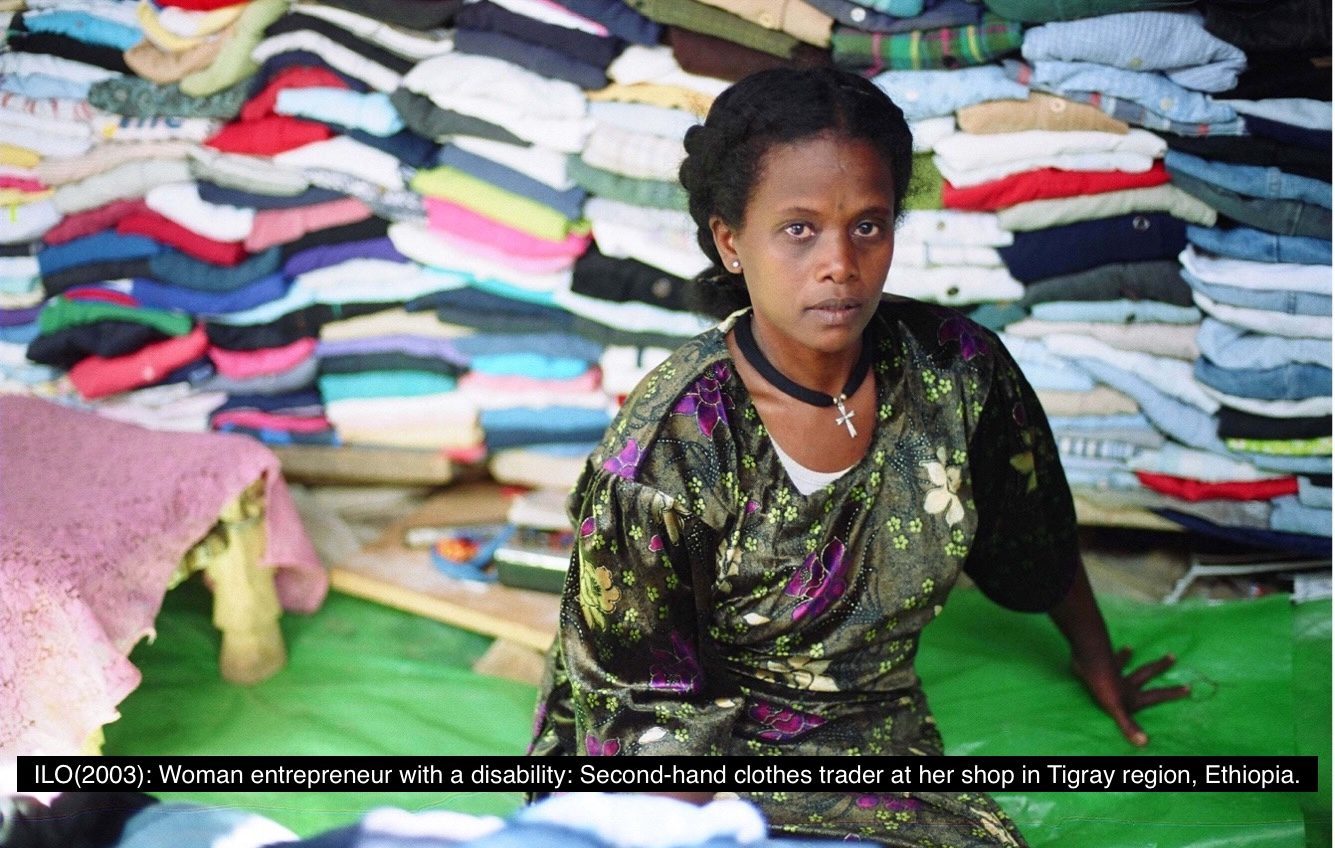
In the textile and fashion industries across African countries, exposure to harmful chemicals is a shared risk — but it doesn’t affect everyone equally. Women and girls with disabilities may face heightened risks due to unsafe working conditions and disability-related needs that are often overlooked. Yet their experiences remain largely invisible in chemicals policy and research. Addressing these disparities requires an intersectional approach — one that considers how social categories like gender and disability interact to shape exposure and outcomes.